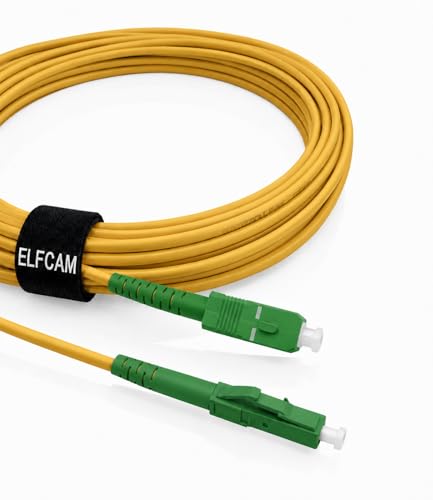
Understanding Benefits of Fiber Optic Cables in 2026
As we progress through 2026, the importance of fiber optic cables continues to rise significantly. These cables are not just a trend but a fundamental component of modern communication infrastructure. With their ability to transmit data at unprecedented speeds and over long distances, fiber optic cables are revolutionizing how we connect and communicate. In this article, we will delve into the numerous benefits fiber optic cables offer and explore why they are essential for both individuals and businesses today.
Speed and Efficiency of Fiber Optic Cables
One of the most compelling benefits of fiber optic technology is its speed. In 2026, fiber optic cables are capable of delivering internet connections that surpass traditional copper wiring by substantial margins. While copper cables can handle speeds of up to one gigabit per second, fiber optics can reach speeds of ten gigabits per second or even more. This increased speed translates to faster downloads, smoother streaming, and enhanced online gaming experiences. For instance, an individual trying to download a large file can do so in mere seconds when using fiber optic internet.
Moreover, fiber optic cables maintain their performance over longer distances without significant loss in signal quality. This characteristic allows service providers to deliver high-speed internet across extensive areas, making it possible for remote communities to access reliable internet services. In 2026, as more people work from home or engage in online education, the demand for high-speed internet has never been greater. Fiber optics fulfill this need effectively.
Real World Applications of Fiber Optics
Businesses are leveraging the advantages of fiber optic cables to enhance their operations. For instance, a tech company that relies on cloud computing can experience significant improvements in efficiency by switching to fiber optics. The speed and reliability of fiber connections ensure that data transfer between servers is seamless and quick, allowing teams to collaborate in real time without lag. In 2026, as more companies adopt remote work policies, having a robust internet infrastructure becomes a competitive advantage.
People Also Look For:
- Sniokco 10K 8K 4K HDMI 2.1 Cable 2M Certified 48Gbps Ultra High Speed HDMI®
- ARISKEEN 8K HDMI 2.1 Cable 4M, High-Speed 48Gbps HDMI 2.1 Cable, Supports 8K@60HZ, 4K@120Hz, Compatible with PS5/4 TV Monitor Blu-...
- Southlight 10K 8K HDMI 2.1 Cable 5M, 48Gbps Ultra High-Speed
- Cratree HDMI Cable 6M,8K High Speed HDMI Cable 4K 120hz 8K 60hz 48Gbps,HDCP 2.3 Dolby Atmos Vision eARC Compatible with HDTV PS5 X...
- iSOUL 4K HDMI Cable, High-Speed Ultra HD HDMI 2.0 Cable, Supports 3D Formats with Audio Return Compatible with Fire TV HDMI 2.0/1....
In addition to business applications, fiber optics play a vital role in healthcare. Hospitals and medical facilities utilize fiber optic cables to transmit large amounts of data, such as medical imaging files, securely and swiftly. This capability not only improves patient care by enabling timely access to critical information but also enhances telemedicine services. For 2026, the integration of fiber optics in healthcare systems is fundamental as it supports the growing trend of virtual consultations and remote monitoring.
Security Features of Fiber Optic Cables
Another significant advantage of fiber optic cables is their inherent security features. Unlike traditional metal cables that are susceptible to electromagnetic interference and tapping, fiber optic cables transmit data as light signals. This method makes it exceedingly difficult for unauthorized users to intercept the data. In 2026, as cyber threats continue to evolve, the need for secure data transmission is more critical than ever. Organizations handling sensitive information, such as financial institutions and government agencies, are increasingly adopting fiber optics to safeguard their data.
Furthermore, fiber optic cables are less prone to outages caused by weather conditions. This resilience ensures that businesses and individuals have consistent access to their internet services, minimizing disruptions. For example, during severe weather events, fiber optics can maintain connectivity when traditional cables might fail. This reliability is essential for businesses that depend on uninterrupted internet service for their operations.
Cost Effectiveness Over Time
While the initial investment in fiber optic installation may seem higher than copper wiring, the long-term cost benefits are substantial. Fiber optic cables require less maintenance and have a longer lifespan compared to traditional cables. In 2026, organizations that have switched to fiber optics often report lower operational costs due to reduced downtime and fewer repairs. Additionally, the increased speed and efficiency can lead to higher productivity levels, further justifying the initial expenditure.
Governments are also recognizing the importance of fiber optics in infrastructure development. In many regions, initiatives are underway to expand fiber optic networks to underserved areas. These investments not only improve internet access for residents but also stimulate local economies. By 2026, communities with advanced fiber optic infrastructure are likely to attract more businesses and foster innovation, creating a cycle of growth and connectivity.
The Future of Fiber Optic Technology
Looking ahead, the future of fiber optic technology appears promising. Innovations in fiber optic cables are being explored, such as the development of even faster data transmission methods and improved materials for enhanced durability. In 2026, advancements in fiber optics are expected to open new horizons for telecommunications, potentially leading to the introduction of technologies like holographic communication and enhanced virtual reality experiences.
As we advance through this year, the integration of fiber optics with emerging technologies such as 5G and the Internet of Things will further enhance connectivity. Smart cities are being developed with fiber optics as the backbone of their communication infrastructure, enabling efficient energy management, traffic control, and public safety systems. The synergy between fiber optics and these technologies is set to redefine urban living in 2026 and beyond.
In summary, the benefits of fiber optic cables are extensive and multifaceted. From unmatched speed and security to long-term cost savings and transformative applications, fiber optics are essential for modern communication. As we navigate through 2026, the adoption of fiber optic technology will continue to shape the way we connect, work, and live. The ongoing innovations in this field promise to drive future advancements that will further enhance our digital landscape.