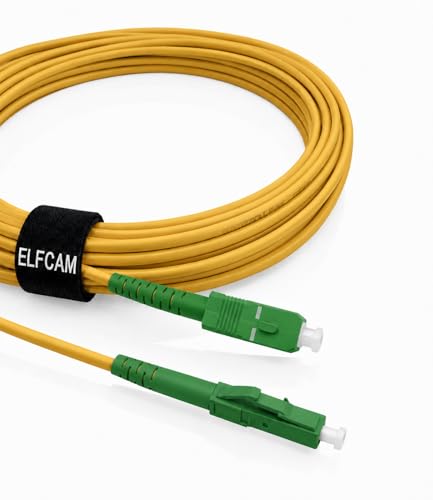
Avoid Common Mistakes When Buying Cables in 2026
In 2026, the technology landscape continues to evolve at a rapid pace, making it essential for consumers to stay informed when purchasing cables. Whether you are looking for charging cables, audio cables, or data cables, the options are plentiful but can often lead to confusion. Understanding how to avoid common mistakes can save you time and money while ensuring you select the right cable for your specific needs.
Understanding Cable Types
Before diving into the purchasing process, it is crucial to familiarize yourself with the various types of cables available in 2026. Each cable serves a distinct purpose and comes with unique specifications that cater to different devices. For instance, USB-C cables have become increasingly popular due to their versatility and speed. However, many consumers are still unaware of the differences between USB-C 2.0 and USB-C 3.1, which can significantly impact data transfer rates and charging capabilities.
Common Types of Cables
- HDMI Cables: Ideal for high-definition video and audio transmission.
- Ethernet Cables: Essential for stable internet connections in homes and offices.
- Lightning Cables: Used primarily with Apple devices for charging and data transfer.
- Audio Cables: Varieties include RCA and optical cables, each serving different audio needs.
By understanding these fundamental cable types, you can make more informed choices when shopping. In 2026, being aware of new standards and specifications is vital, as they can affect compatibility and performance.
Checking Compatibility
One of the most common mistakes consumers make when purchasing cables is neglecting to check compatibility with their devices. For example, using a cable that does not support the necessary standards can lead to poor performance or even damage to your devices. In 2026, this is particularly relevant as many new devices are designed with specific cable requirements.
When considering a cable, always verify if it is compatible with your device. This entails checking the device specifications and ensuring that the cable meets or exceeds the required standards. For instance, if you own a device that supports HDMI 2.1, purchasing an older HDMI 1.4 cable may result in subpar video quality.
People Also Look For:
- CHB Short Rugged 1 Meter Simplex Fibre Optic Patch Cable SCAPC - SCAPC Single Mode OS2 9/125 Yellow Patch Lead 3mm Fiber Patchcord...
- 4K HDMI Cable 3M, JSAUX Flat HDMI 2.0 Cable Ultra High Speed 18Gbps Thin Lead Support 3D, UHD 4K@60Hz, 2160P, HD 1080P Video, Ethe...
- DIGITUS DK-2532-03/3 – Fibre Optic Cable OM3 – 3 m – LC to SC – Duplex Fibre Optic Cable – 1/10/40/100 Gbit/s – MM Mul...
- ALLEASA 8K HDMI 2.1 Cable 5M, Ultra High Speed 48Gbps Braided HDMI Cord, Supports 8K@60Hz 4K@120Hz 144Hz eARC HDR10 HDCP 2.2/2.3, ...
- Sniokco 10K 8K 4K HDMI 2.1 Cable 2M Certified 48Gbps Ultra High Speed HDMI®
Where to Find Compatibility Information
- Manufacturer websites often provide detailed compatibility charts.
- Product packaging usually lists compatible devices.
- Online reviews can offer insights from other users regarding compatibility issues.
Taking the time to confirm compatibility can prevent frustration down the line, ensuring that the cable you choose works seamlessly with your technology.
Evaluating Quality and Price
In 2026, the market is flooded with cables at various price points, leading many consumers to make purchasing decisions based solely on cost. However, this can be a significant mistake. Cheaper cables may not provide the durability or performance you require, leading to frequent replacements and additional costs over time.
When evaluating cable quality, consider the following factors:
- Materials: Look for cables constructed with high-quality materials such as braided nylon or reinforced connectors.
- Brand Reputation: Established brands often have rigorous standards for quality control.
- Warranty: A warranty can indicate confidence in the product's longevity.
Investing in a high-quality cable may seem more expensive upfront, but it often pays off in the long run through enhanced performance and durability. For 2026, consumers should prioritize quality over price to avoid common pitfalls.
Reading Reviews and Recommendations
With the vast number of options available in 2026, seeking reviews and recommendations plays a pivotal role in making informed decisions. Many consumers overlook this step, often leading to regretful purchases. Online platforms and tech forums provide ample information about various cables, including user experiences and performance evaluations.
When reading reviews, consider the following:
- Look for Verified Purchases: Reviews from verified buyers tend to be more reliable.
- Pay Attention to Recurring Issues: If multiple reviews mention the same problem, it is likely a valid concern.
- Evaluate the Overall Rating: A higher average rating usually indicates better quality.
Taking advantage of available resources can guide you toward making the best selection, ensuring that you avoid common mistakes when purchasing cables in 2026.
Understanding Return Policies
Another mistake many consumers make is failing to understand return policies before making a cable purchase. In 2026, it's crucial to be aware of the return options available, especially when purchasing online. If the cable does not meet your expectations or is incompatible, a favorable return policy can save you from significant disappointment.
Always read the return policy carefully, noting the time frame and conditions for returns. Some retailers offer hassle-free returns, while others may require original packaging or receipts. Being informed about these policies can help you make a more confident purchase.