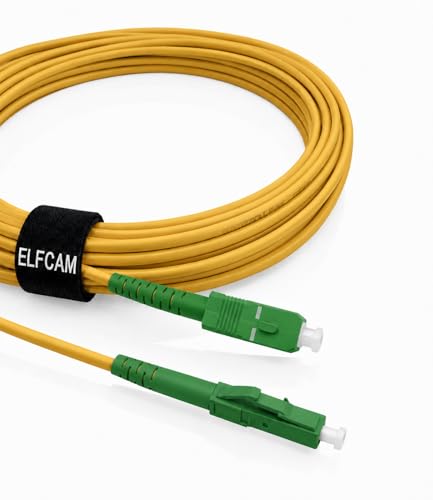
Cables That Transform Your Entertainment Experience
As we advance into 2026, the evolution of cables continues to play a pivotal role in enhancing our entertainment experiences. The demand for high-quality audio and visual output drives innovation, pushing manufacturers to develop cables that not only deliver superior performance but also elevate the overall viewing and listening experience. In this article, we will explore the latest developments in cable technology, focusing on HDMI, audio, and specialty cables that are shaping how we consume media.
Understanding HDMI Cables in 2026
HDMI cables have been the backbone of home entertainment systems for years, and in 2026, they have evolved significantly. The latest HDMI 2.1 specifications support higher resolutions and refresh rates, making them essential for 4K and 8K displays. This advancement ensures that consumers can enjoy unparalleled image quality while streaming or gaming.
One notable feature of HDMI 2.1 is its support for Dynamic HDR, which optimizes brightness and contrast on a scene-by-scene basis. This means that viewers can experience richer colors and more detailed shadows and highlights. For instance, when watching a nature documentary, the vibrant hues of a tropical rainforest are displayed with exceptional clarity, allowing audiences to feel fully immersed in the experience.
Additionally, the introduction of eARC, or enhanced Audio Return Channel, allows for high-quality audio formats like Dolby Atmos to be transmitted back to sound systems without compromising sound fidelity. This development is crucial for avid movie watchers who seek a cinematic experience in their homes.
Audio Cables That Enhance Sound Quality
While video quality often takes center stage, audio quality is equally important for a complete entertainment experience. In 2026, the use of optical and coaxial cables has become more refined, allowing for crystal clear sound reproduction. These cables are essential for connecting devices like soundbars and home theater systems to televisions.
People Also Look For:
- Etseinri 10K 8K 4K HDMI 2.1 Cable 2M Certified Ultra High Speed
- Ubluker 10K 8K 4K HDMI to HDMI Cable 1M, Ultra High Speed Certified Passed
- JuicEBitz 4K HDMI Cable 100m, Fibre Optic AOC Ultra HD High Speed 4k/60fps 1080p/120fps/144fps 18Gbps v2.0 24k Gold Slim v2.0 Long...
- SMICEM 8K HDMI Fibre Optic Cable 30M Optical HDMI 2.1 Cable 48Gbps Ultra High Speed 8K @ 60Hz 4K @ 120Hz Dynamic HDR eARC Dolby HD...
- kenable Active Optical HDMI Cable 4K 60Hz HDR 18Gbps 2160p Fibre Optic Slim 4.8mm No Signal Loss Backwards Compatible Black 10m
Optical cables, for instance, transmit sound using light signals, offering a significant advantage in terms of noise reduction. As a result, listeners can enjoy a clearer audio experience without the hum or interference that can plague traditional copper cables. This clarity is particularly noticeable during intense action scenes in films or while listening to complex musical arrangements.
Coaxial cables, on the other hand, provide excellent durability and consistent sound quality. With advancements in shielding technology, these cables are now better equipped to minimize interference from other electronic devices. This is especially beneficial in crowded entertainment setups where multiple devices operate simultaneously.
Specialty Cables for Unique Applications
In 2026, specialty cables are becoming increasingly popular as home entertainment systems become more diverse. For instance, gamers are now investing in high-speed Ethernet cables that ensure minimal latency during online gaming sessions. These cables are designed to support faster data transfer rates, providing a seamless gaming experience without lag.
Moreover, USB-C cables are revolutionizing device connectivity. With their versatile design, these cables can transmit power, data, and video simultaneously. This is particularly useful for users who want to connect their laptops or tablets to monitors or projectors for presentations or gaming. The convenience of having a single cable that serves multiple purposes simplifies setups and reduces clutter.
Another example of specialty cables gaining traction is the rise of HDMI extenders. These devices allow users to connect HDMI sources to displays over longer distances without losing signal quality. This is particularly beneficial in large home theaters or during events where displays are set up far from the source device.
Future Trends in Cable Technology
Looking forward, the future of cable technology promises even more innovative solutions. As virtual reality and augmented reality continue to gain popularity in 2026, the demand for cables that can handle high data transfer rates will increase. Cables that support these technologies will need to provide high bandwidth and low latency to create a truly immersive experience.
Another trend to watch is the ongoing development of wireless technology. While cables remain essential for many applications, advancements in wireless connectivity may lead to new ways of transmitting audio and video without the need for physical cables. This shift could change how consumers set up their entertainment systems, making them more flexible and easier to manage.
As we continue to embrace new technologies in our entertainment systems, understanding the role of cables is crucial. They are not merely connectors but integral components that can significantly impact the quality of our media experiences.